




Things That Are Secretly Making Your Heating Bill Higher
 Story by:
Jimmy Bell
Story by:
Jimmy Bell
A higher heating bill doesn’t always mean you’re doing something wrong. In many cases, small changes in weather, home performance, and system efficiency quietly push costs up without affecting comfort. Understanding what’s happening behind the scenes, including the role furnace maintenance plays, can help explain why your bill keeps climbing even when your routine stays the same.
Why Is My Heating Bill So High?
A heating bill too high doesn’t always mean you’re using more heat. Usage isn’t the same as effort. Your heating system may be running longer and working harder to deliver the same comfort. Colder outdoor temperatures, longer overnight heating cycles, wind exposure, and even drier winter air can all force your system to burn more energy to maintain the same indoor temperature, leading to a high heating bill.
Even if your habits are the same, your home and heating system don’t perform the same way year over year. Small increases in heat loss from aging seals, settling insulation, inconsistent heating maintenance, or minor duct leaks, combined with longer cold spells and colder nights, force your system to run longer without feeling dramatically different indoors. On top of that, energy rates often increase quietly over time, raising costs even when energy use stays flat, a common reason homeowners see a high heat bill without obvious changes.
Everyday Habits Behind a High Heating Bill
Most people leak heat without realizing it. Leaving interior doors open in unused rooms, running bathroom or kitchen exhaust fans longer than necessary, keeping blinds open at night, or heating rooms no one actually uses all increase demand. These habits can quietly contribute to a heating bill too high for the season. Even long, hot showers matter, they force your system to reheat incoming cold air and water simultaneously. None of these habits feel dramatic on their own, but together they can add a noticeable chunk to your bill by increasing how long your heating system operates each day, resulting in a high heating bill over time.
Thermostat Settings That Make Your Heating Bill Too High
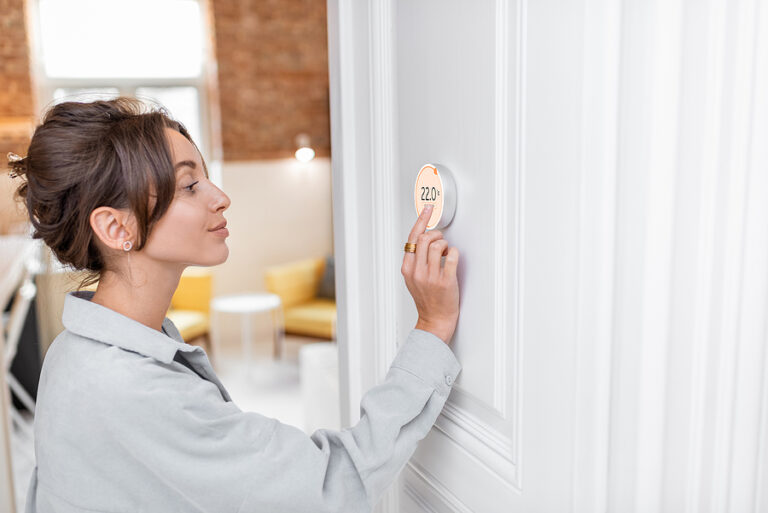
Older thermostats don’t react intelligently to temperature swings. They often overshoot, turning the system on longer than necessary or cycling it inefficiently. Poor placement, like near a draft, window, or heat source, can trick the thermostat into calling for heat when the rest of the home doesn’t need it. This often shows up as a heating bill too high compared to previous winters. As a result, the system may run more often or longer than necessary, increasing energy use without improving comfort. Smart or modern programmable thermostats reduce this waste and help control a high heat bill by limiting unnecessary runtime, especially overnight and during work hours.
Air Leaks and Insulation Problems Causing a High Heat Bill
Small leaks around windows, attic hatches, electrical outlets, and basement rim joists let warm air escape continuously. Insulation gaps do the same thing on a larger scale. Your heating system replaces that lost heat nonstop, which looks like “normal usage” but contributes directly to a high heating bill. Over weeks or months, this constant loss can add significantly to heating costs even though no single leak feels noticeable.
Why an Electric Heating Bill Too High Happens in Winter
An electric heating bill too high is especially common during harsh winters. Electric heat is extremely sensitive to weather severity. Even a slightly colder or longer winter can cause a big spike because electric systems don’t store heat, they generate it in real time. If your home uses electric resistance heating or auxiliary heat, it may be kicking on more often than before. Heat pumps may rely more on auxiliary or emergency heat during colder periods, making an electric heating bill too high very quickly. Aging components, dirty coils, or reduced airflow can also cause electric systems to consume more energy without changing how warm your home feels.
What Causes a Gas Heating Bill Too High
A gas heating bill too high doesn’t always mean the furnace is inefficient. A newer furnace doesn’t guarantee low bills if the system isn’t optimized. Incorrect sizing, improper airflow, duct leakage, or heat loss through the building envelope can all reduce real-world efficiency. Even small inefficiencies, like a furnace running longer cycles to compensate for heat escaping the home, add up fast and create a high heat bill when fuel costs rise. Gas prices also fluctuate seasonally and regionally. In other words, the equipment may be efficient, but the system may not be.
How Skipped Maintenance Creates a High Heating Bill
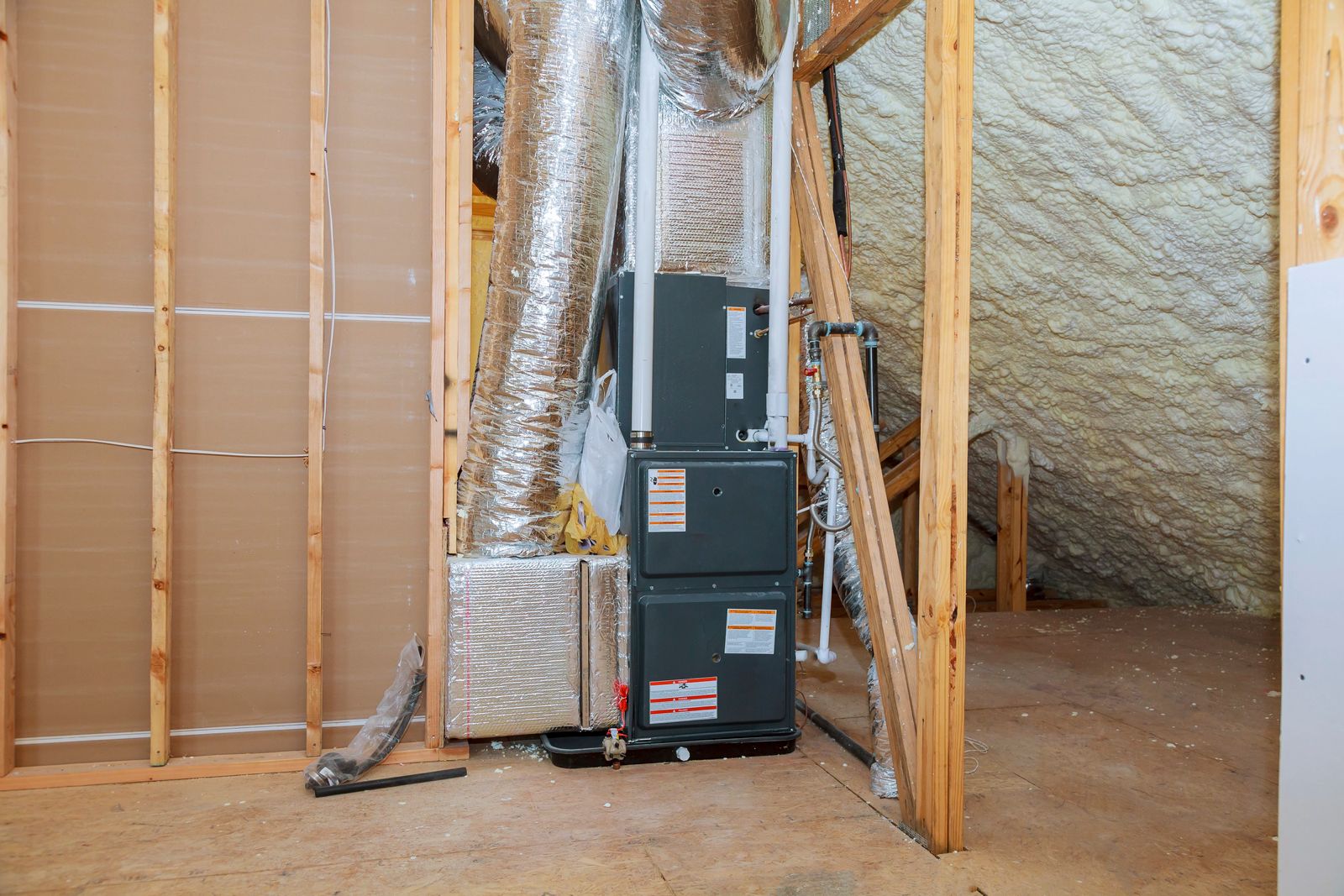
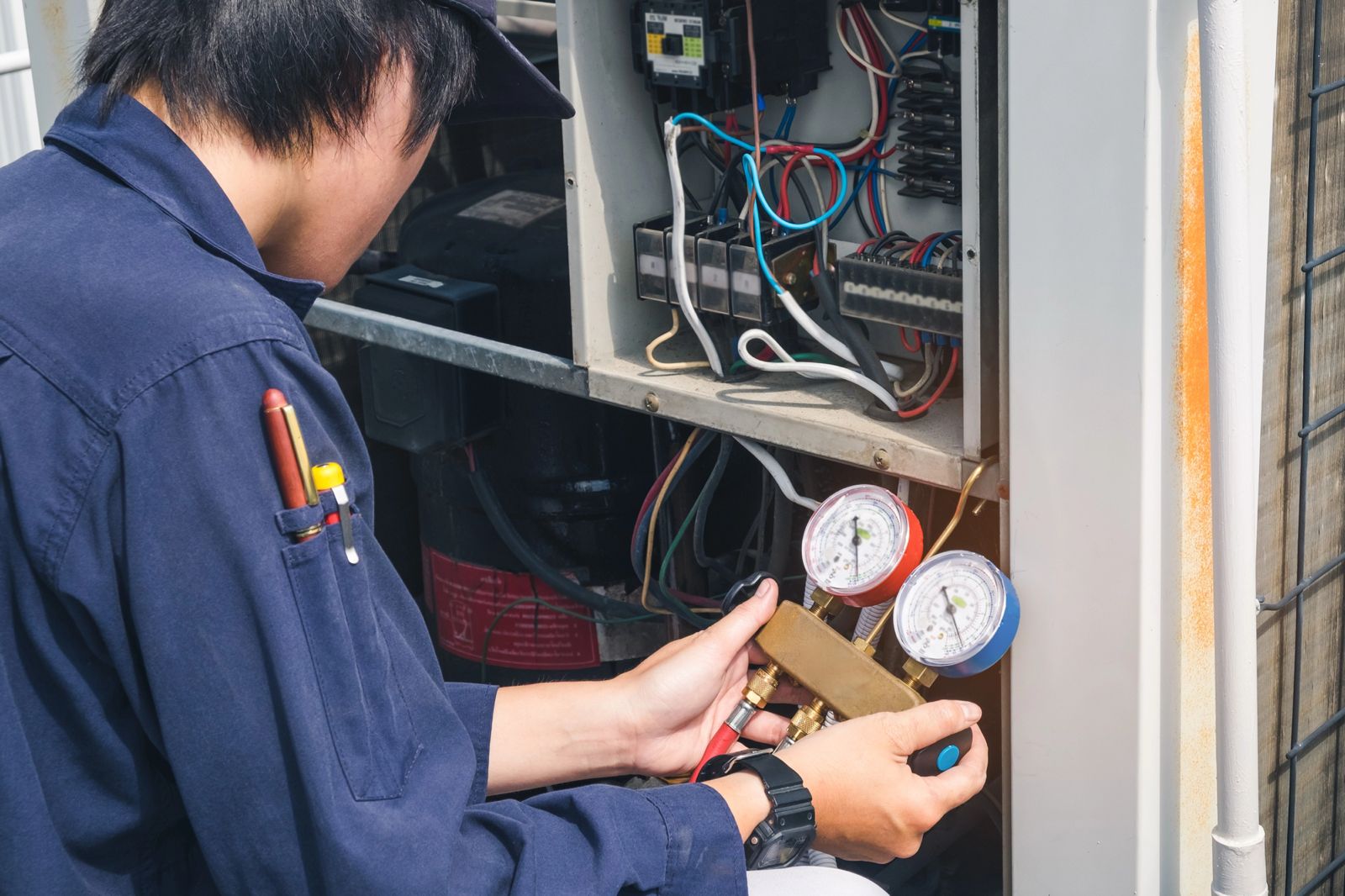
Skipping regular maintenance is a common reason homeowners see a high heating bill year after year. Dusty burners, dirty filters, restricted airflow, and worn components force your system to run longer to produce the same heat. This doesn’t usually cause immediate breakdowns, it just raises energy use month after month and leads to a heating bill too high for the season. Maintenance keeps combustion clean, airflow balanced, and components operating at their designed efficiency. Without it, these efficiency losses usually appear as higher energy bills long before any mechanical failure occurs.
Old Windows and Duct Issues That Make Your Heating Bill Too High
Single-pane windows, warped doors, and leaky ductwork allow heated air to escape before it ever reaches your living space. Duct leaks are especially costly because you pay to heat air that never makes it into your home, driving up a high heating bill. These issues force the heating system to run longer to maintain comfort. Sealing, upgrading, or repairing these problem areas doesn’t just improve comfort, it directly reduces how long your heating system has to run, which helps prevent a high heat bill from becoming the norm.
Image Source: BigStockPhoto.com (Licensed)


Share options
Share a link that only Beer Connoisseur subscribers can access