





Why Your House Smells Weird And Your HVAC Might Be The Reason
 Story by:
Marc Ikbal
Story by:
Marc Ikbal
A weird smell in your house isn’t random, it’s a signal. In many cases, your HVAC system is quietly spreading odors you can’t see, especially when something inside it isn’t working right. Understanding the cause of a bad smell in house conditions can save you from bigger issues down the line, and sometimes even point to the need for AC repair before the problem gets worse.
Why Does My House Smell Weird
Because most “bad smells” don’t come from visible dirt, they come from hidden moisture, air movement, or buildup inside systems you don’t see. A weird smell in house situations isn’t about what you see, it’s about what your home is holding and circulating.
A clean-looking home can still have moisture trapped behind walls or under floors, dust and humidity inside HVAC ducts creating a stale or sour house smell, slow bacterial growth in drains or appliances, and air that isn’t circulating properly, causing smells to linger instead of clearing.
Even a spotless home can trap moisture inside walls, floors, or HVAC components, along with odor particles in carpets, furniture, and ducts. So the house looks clean, but the air is still carrying old smells, that’s why a bad smell in house environments lingers or comes back quickly after cleaning.
What Causes Bad Smell in House
Different smells usually point to different root causes. Musty or damp odors, like a musty smell in house areas, suggest excess moisture and possible mold growth, while sour or stale smells point to poor airflow or HVAC smells caused by buildup. Burning or dusty smells often come from heating components, and the “dirty socks” smell is typically caused by bacteria on the AC evaporator coil.
Rotten, trash-like, or decay odors usually indicate organic material like food, pests, or drains, while sharp, chemical, or rotten egg smells can signal a more serious issue like a gas leak or electrical problem.
The key insight: a bad smell in house conditions is often an early warning system, not just an annoyance. In most cases, it’s a sign that airflow, moisture, or ventilation isn’t working properly.
Can HVAC Cause Bad Smell in House or HVAC Smells
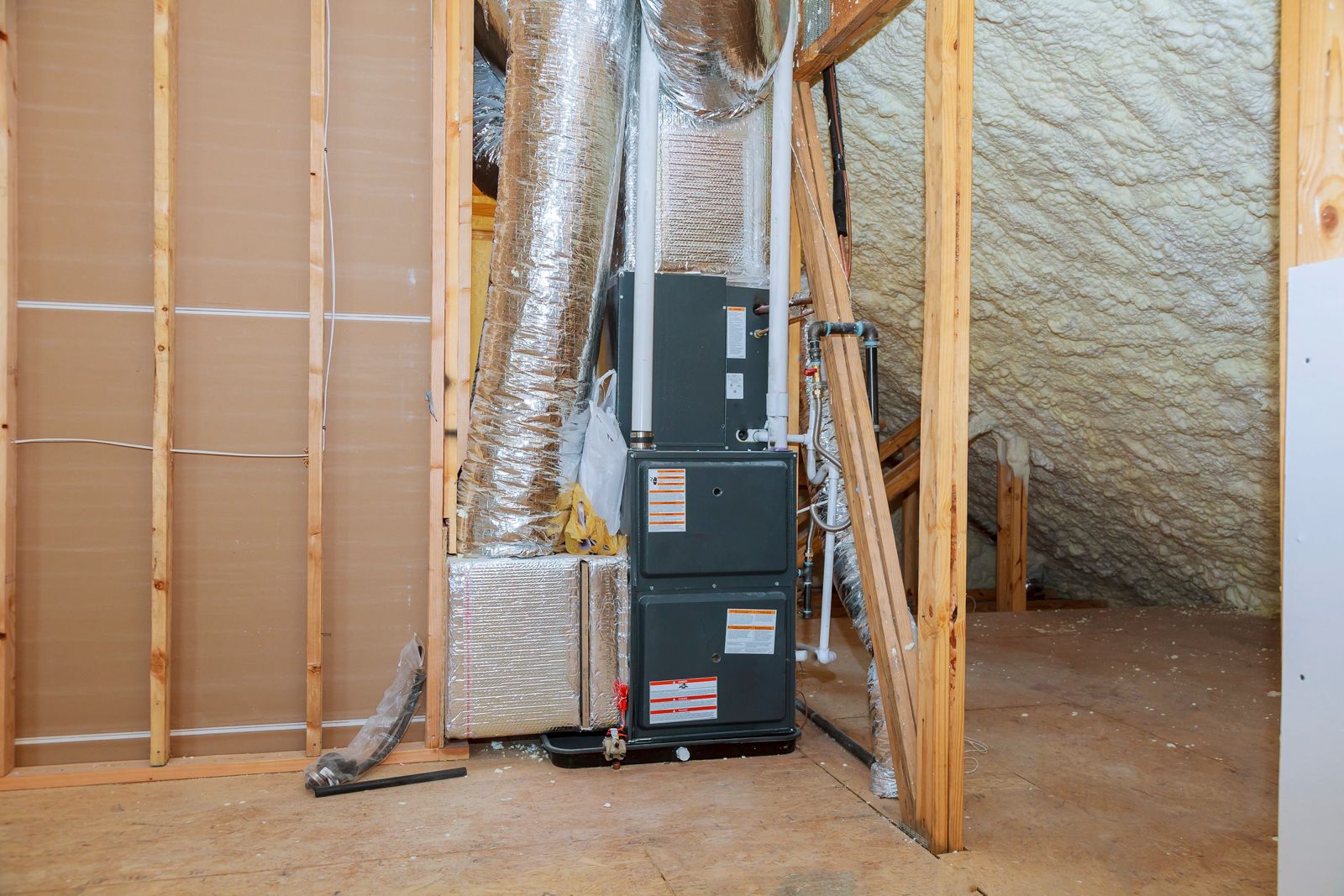
HVAC is one of the most common hidden sources of house smell issues because it moves air through the entire home, spreading HVAC smells across every room. If there’s a smell inside the system, it gets distributed evenly, making it feel like the whole house smells at once.
These systems also collect dust, pet dander, moisture, and debris over time, while creating dark, damp conditions where bacteria and mold can grow, leading to persistent bad smell in house situations.
If the smell gets stronger when the AC or heat turns on, or when air is blowing from vents, your HVAC system is very likely involved in creating that weird smell in house conditions.
Bad Smell Coming from AC Vents in House Explained
This usually points to something inside the system itself. A bad smell from vents typically comes from inside the AC system or a heat pump, where moisture builds up during cooling.
Common causes include dirty evaporator coils with bacteria buildup (“dirty sock syndrome”), clogged condensate drains or standing water in the drain or pan, mold or mildew in ductwork, debris or pests inside ducts, and old or dirty air filters recirculating contaminated air.
Important detail: if the bad smell coming from AC vents in house setups appears only when the AC runs, or as soon as it turns on, it’s almost always tied to moisture and bacteria inside the system.
What Causes a Musty Smell in House
A musty smell almost always means moisture and time. Musty smell in house situations means something is staying wet longer than it should.
A musty smell in house areas is caused by moisture that isn’t drying out. The smell develops when moisture sits long enough for mold or mildew to begin forming, even in small amounts.
Common sources include damp basements or crawl spaces, leaky pipes or roof issues, hidden leaks behind walls or under floors, mold inside walls or insulation, high indoor humidity, poor ventilation, and HVAC systems holding moisture during cooling, often leading to lingering HVAC smells.
Is Your House Smell Coming from HVAC
Quick ways to confirm the HVAC is involved: the house smell gets stronger when the system turns on, the same odor shows up in multiple rooms, and air coming directly from vents carries the smell. Vents themselves may smell when you get close, and the filter can also have a noticeable odor when you remove it.
Sometimes, HVAC smells even change between heating and cooling modes.
Simple test: turn off your system for a few hours, then turn it back on, if the weird smell in house conditions suddenly appears, it’s being pushed through the system.
How to Get Rid of Bad Smell in House
You need to fix the source, not just mask it. Air fresheners don’t solve anything, they just layer fragrance on top of the problem.
Start with moisture first, check for any damp areas, leaks, or condensation, especially if you’re dealing with a musty smell in house conditions. Then replace the HVAC filter, since it’s cheap, fast, and often overlooked, and flush drains, especially the AC condensate line.
From there, focus on deeper fixes: clean problem zones like trash bins, drains, fridge, and laundry, and improve airflow by opening vents, using fans, and reducing stagnant air that contributes to house smell buildup. Inspect the HVAC system, including coils, ducts, and the drain pan, and use a dehumidifier if needed.
Eliminating a bad smell in house situations requires removing both the source and what’s spreading it. That means fixing moisture issues, cleaning or servicing HVAC components if needed, and addressing materials that absorb odor.
Which HVAC Issues Cause HVAC Smells
The most common culprits behind HVAC smells include dirty evaporator coils with bacterial buildup, clogged or stagnant condensate drain lines, mold or mildew inside ductwork, old or damp air filters, standing water in the drain pan, debris or pests inside ducts, and dust buildup burning off in heating systems.
These issues all have one thing in common: moisture, organic material, and airflow, which means fast smell distribution throughout the home, often resulting in a bad smell coming from AC vents in house systems.
When HVAC Smells Need a Professional
Call a pro when HVAC smells don’t go away after a filter change and basic cleaning, especially if the bad smell in house conditions is tied directly to system operation. Persistent musty smell in house areas, signs of mold inside ducts or system components, water buildup, drainage issues, or leaks are all indicators that the problem is deeper.
Strong, unusual, or worsening smells, especially burning, electrical, chemical, or sudden odors, should also be handled by a professional.
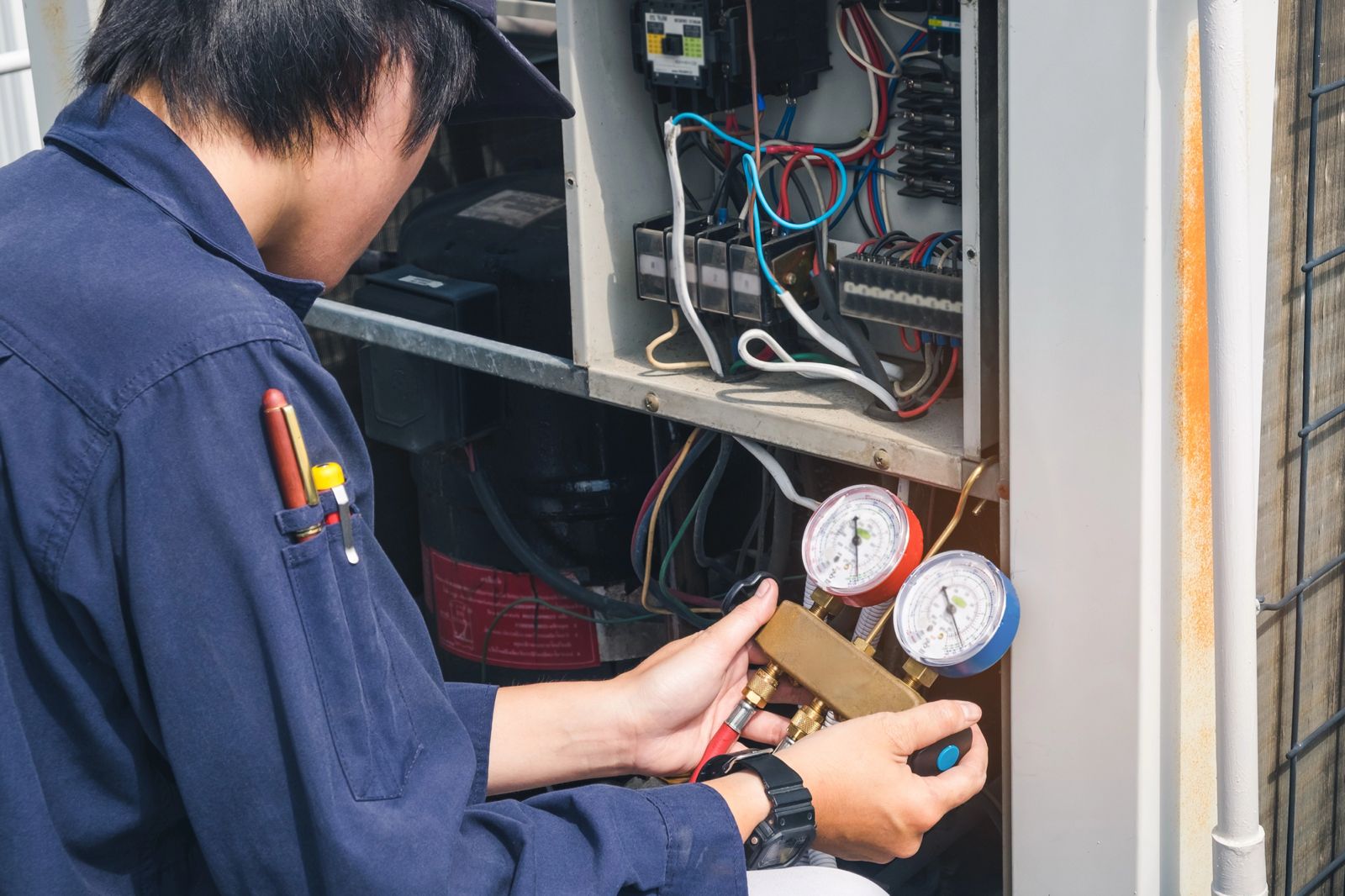
Rule of thumb: if the smell is inside the system, not on a surface you can clean, it’s time for a technician or a qualified heating company. If the source is inside sealed parts of the HVAC system, it usually requires proper tools and access to resolve safely and completely.

Share options
Share a link that only Beer Connoisseur subscribers can access