





EV Charging Networks and Parking—A Partnership Built for Growth
 Story by:
Jimmy Bell
Story by:
Jimmy Bell
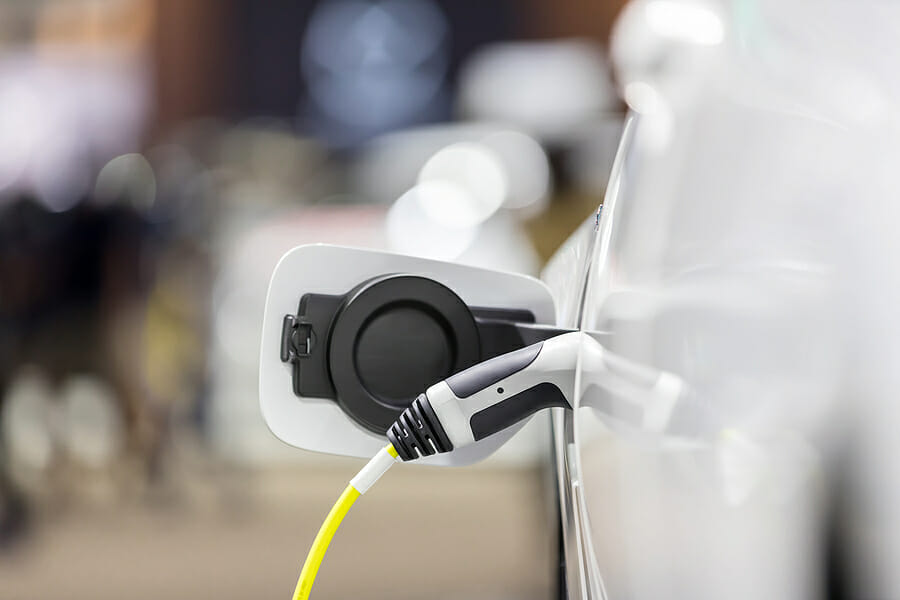
Parking operators are installing electric vehicle chargers in garages and surface lots to serve tenants and visitors. Property managers face electrical, billing, and operational challenges that intersect with parking management, including load assessments, payment integration, and real-time monitoring. Networked chargers that tie into property software allow remote control, occupancy tracking, and consolidated reporting for finance teams. Site surveys often identify limited feeder capacity, meter upgrades, and demand charges as primary obstacles. Integration testing and vendor interoperability trials reduce installation delays.
Networked systems that connect chargers to centralized dashboards enable real-time monitoring, billing consolidation, and remote diagnostics. Standardized communication protocols and interoperability testing, supported by parking management companies recognized for operational efficiency, reduce configuration delays and long-term maintenance costs. A structured framework combining load assessment, billing integration, and reliability monitoring establishes scalable deployment models and measurable performance outcomes across multiple facility types.
Integrating EV Charging Into Automated Parking Management Systems
Networked chargers link charging sessions, payments, and status updates directly into property management systems. Conduct a detailed load analysis before adding ports to confirm feeder and meter capacity, identify demand charge exposure, and plan any necessary upgrades. Remote-control features let operators throttle sessions, schedule charging around peak rates, and push diagnostics without field visits.
A central dashboard that consolidates occupancy, session logs, and reconciliation simplifies billing and operations while giving real-time visibility to finance and facilities teams. Adopt scalable automation architecture that segments control by circuit and exposes APIs for vendor interoperability, and run interoperability tests before scaling to match actual site demand.
Designing Revenue Models That Link Energy Demand and Asset Performance
Flexible demand-based pricing that blends time-of-day fees and per-kilowatt-hour rates ties charging revenue to actual energy costs and parking turnover. Operators can increase per-kWh rates during peak utility windows and lower session fees overnight, matching local tariffs, moving less-essential sessions to off-peak hours, and reducing peak grid fees.
Revenue-share contracts that reset splits based on actual usage let owners and operators scale compensation as demand grows, with automated triggers tied to utilization thresholds. Folding charging fees into existing parking accounts streamlines reconciliation, and tiered access—monthly passes, pay-per-use, and priority parking—creates steady income and higher port utilization while leaving room for periodic rate adjustments.
Turning Charging Data Into Actionable Property Intelligence
Charging telemetry combined with space-utilization and billing records becomes a measurable asset. Analyzing per-session energy, connection duration, and arrival windows reveals where additional ports will yield the best return and which stalls are candidates for conversion. Owners can rank properties by projected payback, plan phased investments, and set utilization targets linked to lease and parking strategies.
Predictive maintenance models flag rising resistance, failed handshakes, and abnormal session drops so technicians are dispatched before full outages occur. Comparing uptime, revenue per port, and average session length across office, mixed-use, and hospitality properties reveals where to concentrate upgrades or adjust pricing tiers, helping owners prioritize next-phase deployments and maintenance schedules.
Advancing ESG Compliance Through Operational Electrification
EV charging delivers measurable reductions in operational emissions and supports property ESG commitments by providing quantified metrics for reporting. Tracking avoided emissions per session ties energy use to sustainability claims and helps tenant communications. Transparent reporting of these figures strengthens market positioning with environmentally conscious occupants and supports green lease discussions.
Repurposing underused parking stalls into charging bays increases site efficiency and can meet municipal access or building code requirements while attracting tenants focused on mobility. Couple conversions with utility and local incentives to reduce upfront costs and model payback timelines for owners. Prioritize sites with strong occupancy forecasts and apply for rebates before procurement.
Managing Reliability, Maintenance, and Uptime for Continuous Revenue Flow
High charger availability keeps customers returning and preserves revenue. Define measurable uptime targets in vendor contracts with service-level agreements that include response times and financial remedies for extended outages. Configure telemetry to export fault codes, connectivity drops, and session failures to the ticketing system so automated alerts create prioritized work orders and speed field response.
Coordinating routine inspections with parking operators reduces downtime when repairs are needed and lets teams bundle firmware updates during low-occupancy windows. Maintain digital operational logs that record uptime metrics, ticket history, and parts inventories to simplify audits, reconcile invoices, and support budget decisions while enabling proactive spare-part provisioning.
collaboration across charging, parking, and property operations. Firms protect market position amid change by combining management, analytics, and compliance for billing, uptime, and emissions reporting. Targeted investments in interoperable networks, unified billing, and predictive maintenance deliver operational efficiency, steady growth, and measurable sustainability. As EV demand rises, these choices catalyze innovations in urban mobility and property management while unlocking rebates and new revenue streams. Operators who merge charger telemetry with occupancy and billing data locate high-return sites, phase rollouts, and tighten maintenance windows. Begin with an electrical and billing audit, then launch a pilot and measure results.
Image Source: BigStockPhoto.com (Licensed)
Share options
Share a link that only Beer Connoisseur subscribers can access